
"Indian tea culture"
300 article(s) found

There are 30 ways to drink coffee, adding egg yolk is not a problem.
It's not unusual to drink coffee with spirits or ice cream. Have you ever had coffee with egg yolk? Think about it a little (Mr. Why swallowed), hold no

There are several legends about the origin of coffee in coffee culture.
There are several legends about the origin of coffee, among which the more familiar is the story of the shepherd: around 600 AD, a shepherd found that his sheep would hiss excitedly every night. In fear, he asked the priest in the temple for help. After carefully observing the sheep for a few days, the priest found that the sheep had eaten an unknown fruit, and the priest himself had eaten it.

The knowledge of coffee beans you don't know, Robusta.
People always habitually look at things in dichotomy, good and bad, good and evil, good and bad. The same is true in the world of coffee. Arabica coffee beans are always classified as good, while its distant relative, Robusta, is often classified as bad. We might describe it this way, if Arabica is a gift from an angel.
Boutique coffee is like Robusta that you don't know.
Arabica coffee beans are always classified as good, while its distant relative, Robusta, is often classified as bad. People always habitually look at things in dichotomy, good and bad, good and evil, good and bad. The same is true in the world of coffee. Arabica coffee beans are always classified as good ones.
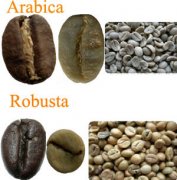
What do you not know about robsta robsta's notoriety?
People habitually treat things with dichotomies, good and bad, good and evil, good and bad... The same is true in the coffee world. Arabica coffee beans are always classified as good, and their distant relatives, Robusta coffee beans, tend to be classified as bad. We might say, if Arabica is a gift from angels

Boutique Coffee Common sense Robusta coffee beans you don't know
People always habitually look at things in dichotomy, good and bad, good and evil, good and bad. The same is true in the world of coffee. Arabica coffee beans are always classified as good, while its distant relative, Robusta, is often classified as bad. We might describe it this way, if Arabica is a gift from an angel.

The common sense of boutique coffee beans Robusta that you don't know.
People always habitually look at things in dichotomy, good and bad, good and evil, good and bad. The same is true in the world of coffee. Arabica coffee beans are always classified as good, while its distant relative, Robusta, is often classified as bad. We might describe it this way, if Arabica is a gift from an angel.

The common sense of Robusta coffee beans that you don't know
People always habitually look at things in dichotomy, good and bad, good and evil, good and bad. The same is true in the world of coffee. Arabica coffee beans are always classified as good, while its distant relative, Robusta, is often classified as bad. We might describe it this way, if Arabica is a gift from an angel.
The common sense of Robusta boutique coffee beans you don't know.
Arabica coffee beans are always classified as good, while its distant relative, Robusta, is often classified as bad. People always habitually look at things in dichotomy, good and bad, good and evil, good and bad. The same is true in the world of coffee. Arabica coffee beans are always classified as good ones.
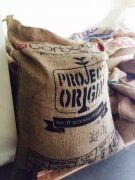
About the characteristics and uses of Robusta coffee beans
Robusta coffee, commonly known as "robust beans", can be grown at low altitudes (200 to 800 meters above sea level), is highly resistant to pests and diseases, is not susceptible to agricultural damage, has a high annual yield per unit area of coffee trees, is harvested in large quantities by machines, and generally costs much less than Arabica coffee. Robusta coffee usually has a bland, dull, pungent flavor, and is

How to drink robusta coffee powder after the name of robusta coffee
Following Cafe (Wechat official account vdailycom) found that Beautiful Cafe opened a small shop of its own. People used to look at things in dichotomy, good and bad, good and bad, good and bad. The same is true in the world of coffee. Arabica coffee beans are always classified in the good category, while its distant relative, Robusta, often grow coffee beans.
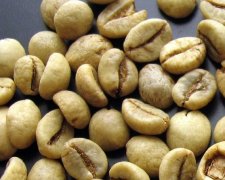
Robusta's secret.
[guide] "Robusta" coffee, commonly known as "thick beans", can be grown at low elevations (200 to 800 meters above sea level), has strong resistance to diseases and insect pests, is not vulnerable to agricultural pests, has a high annual output per unit area, and is harvested in large quantities by machine. in general, the cost of production is much lower than that of Arabica. "Robusta" coffee is commonly known as "stout beans", at low elevations (200 above sea level)
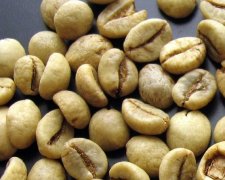
Robusta's secret.
[guide] "Robusta" coffee, commonly known as "thick beans", can be grown at low elevations (200 to 800 meters above sea level), has strong resistance to diseases and insect pests, is not vulnerable to agricultural pests, has a high annual output per unit area, and is harvested in large quantities by machine. in general, the cost of production is much lower than that of Arabica. "Robusta" coffee is commonly known as "stout beans", at low elevations (200 above sea level)
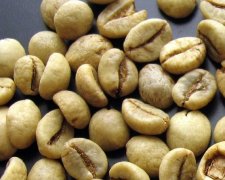
Robusta's secret.
[guide] "Robusta" coffee, commonly known as "thick beans", can be grown at low elevations (200 to 800 meters above sea level), has strong resistance to diseases and insect pests, is not vulnerable to agricultural pests, has a high annual output per unit area, and is harvested in large quantities by machine. in general, the cost of production is much lower than that of Arabica. "Robusta" coffee is commonly known as "stout beans", at low elevations (200 above sea level)

The basic knowledge of coffee beans about Robusta coffee beans
"Robusta" coffee, commonly known as "sturdy beans", can be grown at low elevations (200 to 800 meters above sea level), has strong resistance to diseases and insect pests, is not vulnerable to agricultural disasters, has a high annual output per unit area, and is harvested in large quantities by machine. in general, the cost of production is much lower than that of Arabica coffee. "Robusta" coffee usually has an ordinary, rigid and pungent flavor, and because
Robusta, one of the most important coffee tree varieties in the world.
Robusta species (scientific name Coffee Robusta Linden). The leaf rust-resistant varieties found in Congo in Africa have stronger disease resistance than Arabica. In the general coffee market, many people like to compare robusta and Arabica coffee beans, which is incorrect. In fact, the Robsta species was originally a mutant of the Congo species (scientific name: Coffee Canephora).

Panamanian coffee is bright with strong fruit and floral flavors. Price list of Panamanian coffee beans.
Professional coffee knowledge exchange more coffee bean information please follow the coffee workshop (Wechat official account cafe_style) where is the good coffee? If you know where the coffee beans come from, you can roughly predict their flavor, so most packages indicate the original bean producing areas with conspicuous capital headings. From Kenya to Colombia, the conditions of different coffee producing areas, climate and popular varieties

What brand of Asian coffee tastes good? introduction to the flavor characteristics of Asian coffee? are Asian coffee beans expensive?
Coffee workshop (Wechat official account cafe_style) Coffee is produced in more than 60 countries around the world, mostly in the tropics and subtropics between the Tropic of Cancer due to geological and climatic requirements, with an average temperature above 20 ℃ and about 1500 meters above sea level. This coffee growing area is called coffee.
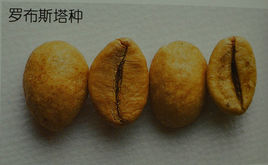
About the characteristics and uses of robusta beans-not all robusta beans are shoddy beans
[introduction] "Robusta" coffee is commonly known as "sturdy beans". It can be planted at low elevations (200 to 800 meters above sea level). It has strong resistance to diseases and insect pests and is not vulnerable to agricultural diseases. the annual output of coffee trees per unit area is higher, and it is harvested in large quantities by machine. generally speaking, the production cost is much lower than that of Ala "Robusta" coffee, commonly known as "sturdy beans", low altitude areas (elevation 200 to 800)
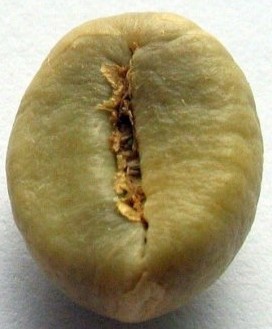
How to correctly identify robusta coffee beans and correctly understand their characteristics, uses and benefits
[introduction] "Robusta" coffee is commonly known as "sturdy beans". It can be planted at low elevations (200 to 800 meters above sea level). It has strong resistance to diseases and insect pests and is not vulnerable to agricultural diseases. the annual output of coffee trees per unit area is higher, and it is harvested in large quantities by machine. generally speaking, the production cost is much lower than that of Ala "Robusta" coffee, commonly known as "sturdy beans", low altitude areas (elevation 200 to 800)